


 Kaloud
 KLIFIDES
 marvin smoke
 DARKSIDE



Follow us
@shanti_en
+420 533 534 201
(Mo-Fr: 8-12 and 13-17)
Smoky aroma, bold flavor of green pu-erh, and a long, sweet finish. Discover this Yunnan tea pressed into a nest with up to 20 servings.
Show more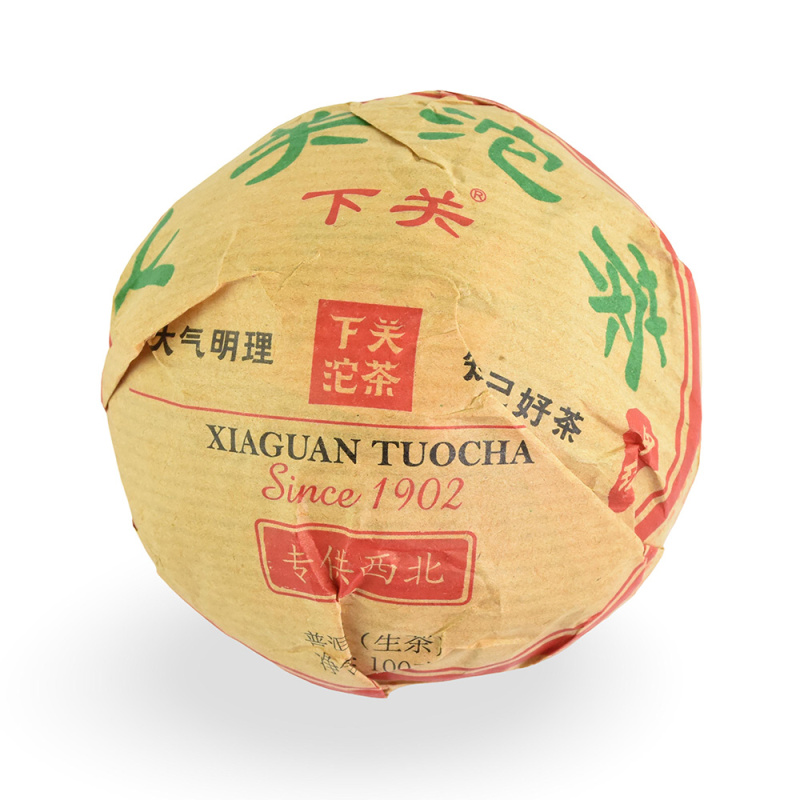
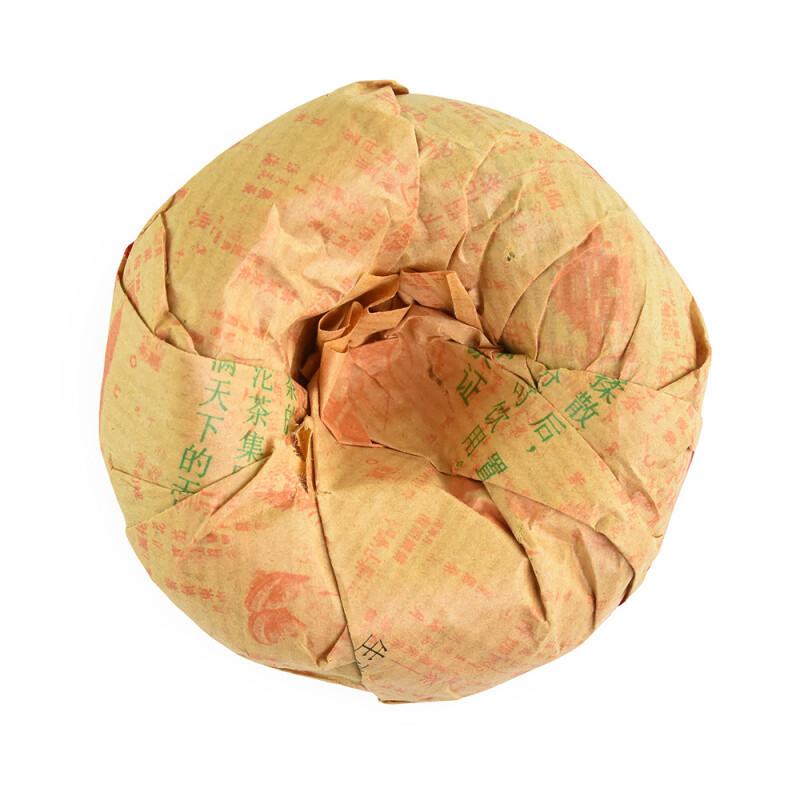
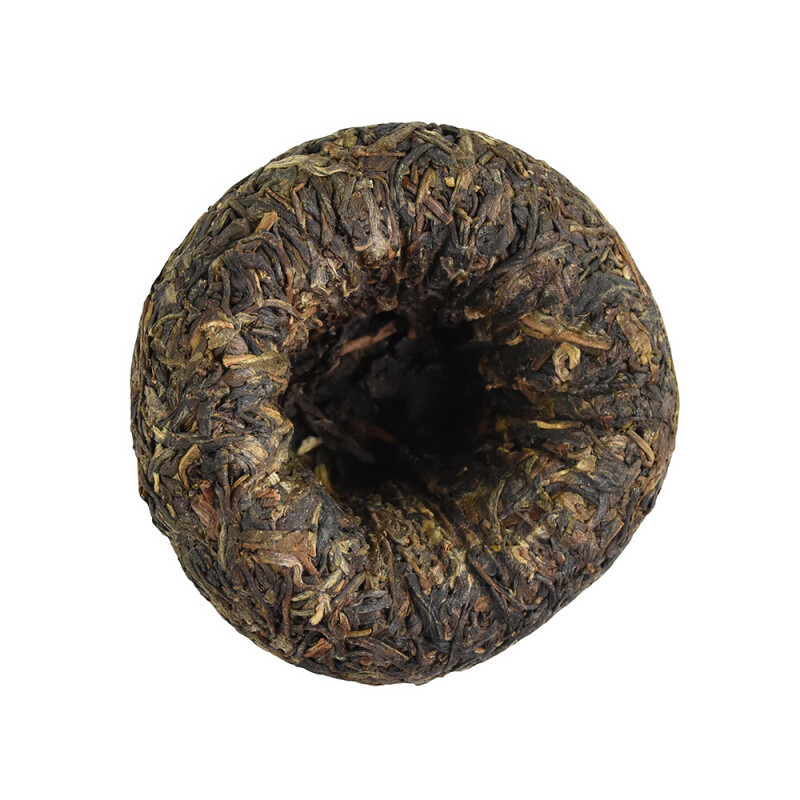
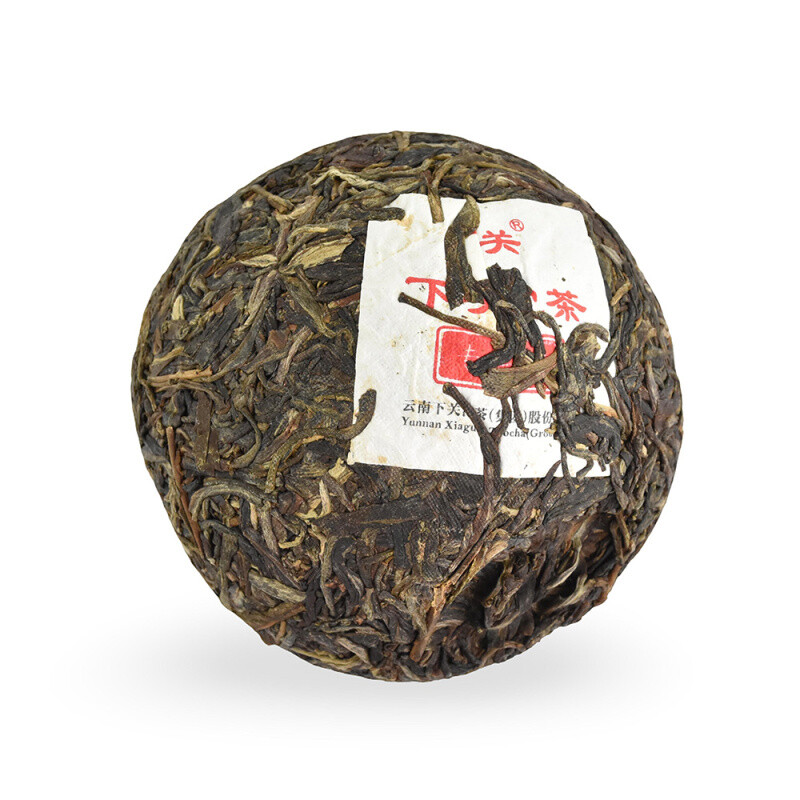
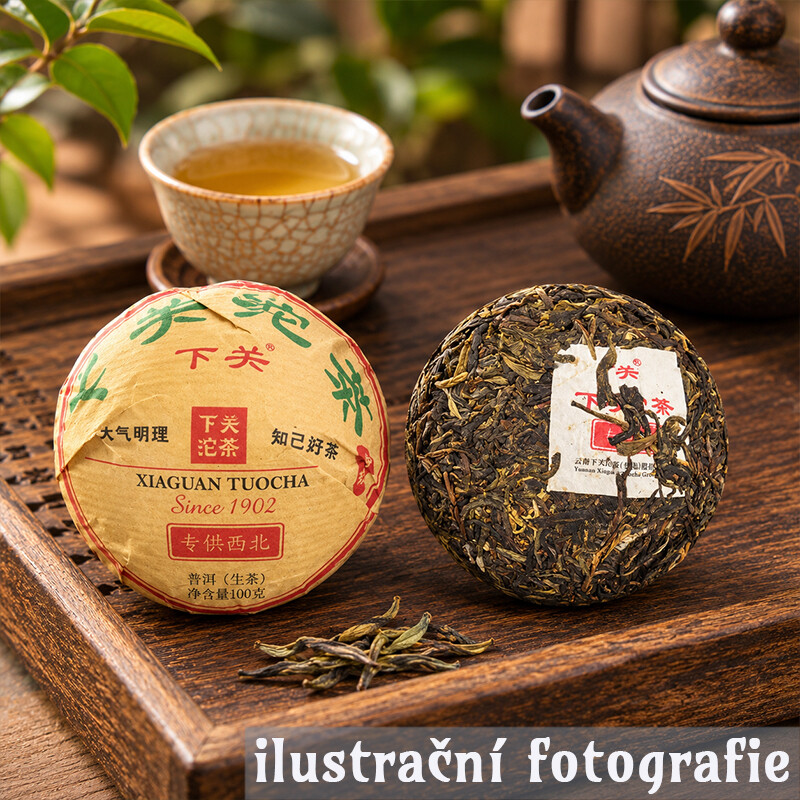
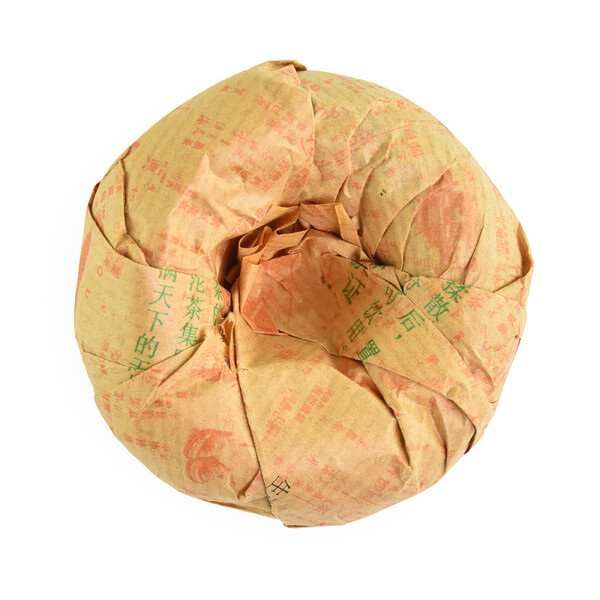
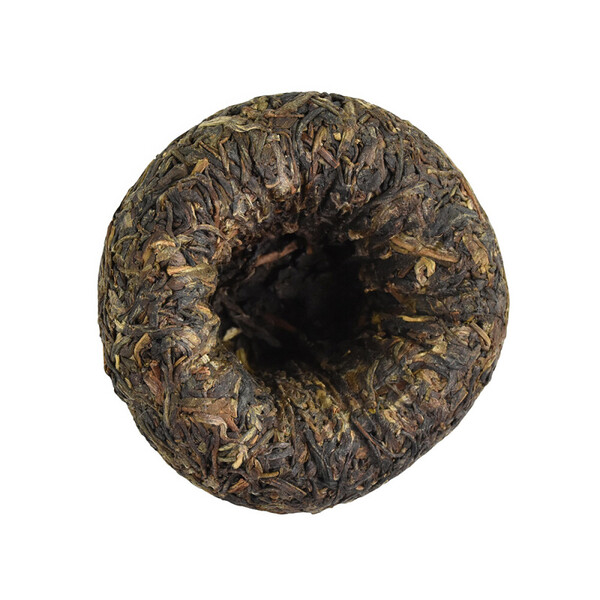
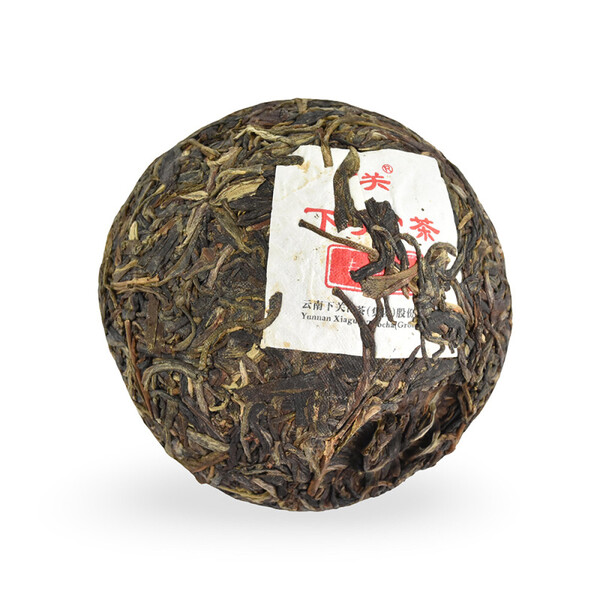
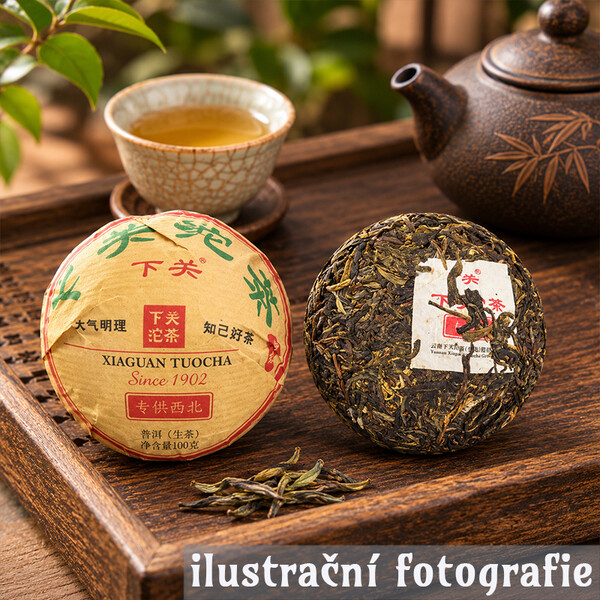
Xiaguan Zhuan Gong Xi Bei Sheng Tuo Cha is a green, raw pu-erh (sheng) from China's Yunnan province, produced by the renowned Xiaguan tea factory. It was pressed into a 100g nest shape known as Tuo Cha in December 2019. This distinctive shape, with an indentation on the underside, has a long history – it made transportation along ancient trade routes easier and helped the tea dry evenly after pressing. One nest yields approximately 10–20 servings, with multiple infusions possible.
Once brewed, you get a clear, golden-yellow liquor with a distinctive pine wood aroma and a subtle smoky note. The flavor brings together tones of resin, meadow herbs, and dried plums. The initial bitterness and noticeable astringency gradually give way to a long-lasting, pleasant sweetness known in Chinese tea culture as huigan.
Pu-erh is a traditional Chinese tea from Yunnan province, known for its unique processing and ability to age over time. There are two main types – raw sheng and ripe shu. While shu undergoes controlled microbial fermentation and tends to have a deeper, earthier flavor, sheng develops through slow, natural aging. Younger shengs are typically fresh, bold, and often bitter or astringent. Over time, their flavor can take on more refined and complex characteristics.
The tea is tightly compressed into a 100g nest, from which you separate the amount of leaves you need before brewing. A dedicated pu-erh knife or needle works best for this.
Don't have a pu-erh knife? A sturdy butter knife with a blunt tip can work as well. Keep the nest on a stable surface, work the tool away from your hands, and avoid using excessive force. If the leaves are too tightly compressed, it's better to use a dedicated tea tool.
Try brewing this tea in a traditional Chinese lidded bowl known as a gaiwan. Break off about 5 g from the compressed nest and brew several short infusions in a smaller volume of water, starting at around 30 seconds. Watch how the smoky aroma, bold astringency, and sweet finish gradually evolve with each pour.
For more tea accessories, tea sets, and teapots, visit this page.
The scent of jasmine blossoms and the distinctive taste of raw pu-erh. Discover the magic of Yunnan tea in a small compressed cake.
Though the tiny cube is not a chocolate bar, as its appearance might suggest, it is a single serving of delicious Chinese black tea in the form of a compressed tablet.
Deep, velvety flavor of dark pu-erh with notes of chocolate, nuts, and dates. A large 100g compressed cake from Yunnan yields up to 20 servings of tea.
Smoky aroma, bold flavor of green pu-erh, and a long, sweet finish. Discover this Yunnan tea pressed into a nest with up to 20 servings.
Fresh taste of green raw pu-erh and the sweet aroma of sticky rice. Try this unique combination of Yunnan tea and fragrant Asian herbs.
Floral aroma and fresh taste of green pu-erh with a honey finish. This large pressed tea cake from Yunnan yields up to 20 servings.
Deep flavor of aged pu-erh with notes of caramel, cacao, and subtle wood. Dark tea from Yunnan in a small compressed cake.
The golden heart looks like a tiny chocolate, but it is one serving of delicious Chinese black tea in the form of a compressed tablet.
Delicate flavor of green raw pu-erh with a floral aroma and a subtly sweet finish. Discover Yunnan tea in a small compressed cake — perfectly sized for a single serving.
Bold flavor of raw pu-erh, a honey aroma, and a long, sweet-lingering finish. Discover tea from the renowned Ban Zhang region in a small compressed cake.
A distinctive Chinese black tea of earthy character Pu Erh with many positive health benefits
Honey fragrance and velvety taste of dark pu-erh with notes of cocoa and wood. A large pressed tea cake from Yunnan yields up to 20 servings.
Chinese dark tea Pu Erh "fat burner" with strong stimulating effect, packing weight 1 kg
A round tablet of pressed tea might look like a small chocolate bar, but it is one serving of delicious Chinese dark tea in the form of a pressed tablet.
Rychlé dodání
Dobrá komunikace
Široký výběr zboží
Vše v pořádku
„spokojenost“