Whatever tea brings up in you, the feeling is always the same - positive and pleasant. For some, this magical drink means relaxation, a boost of energy, or simply company on cold evenings and mornings. But tea itself is so much more than that. It's a long journey through history, discovery and change, and, not least, cultural ritual. Let's take a look together and get to the heart of the real magic of tea.
A bit of history
It's well known, and well documented, that tea's origins trace back to China. According to one legend, people in China already knew tea as far back as 2732 BC, when the Chinese Emperor Shen Nung was wandering through a forested landscape and came across some leaves, which he then boiled in water. There are plenty of stories and legends like this one, but what's beyond dispute is that tea genuinely became a cultural custom. In Europe, people most likely first encountered tea through the Arabs, sometime between the 10th and 15th centuries. The first European to actually taste it and put its flavor into words was the Portuguese Jesuit Gaspar de Cruz.
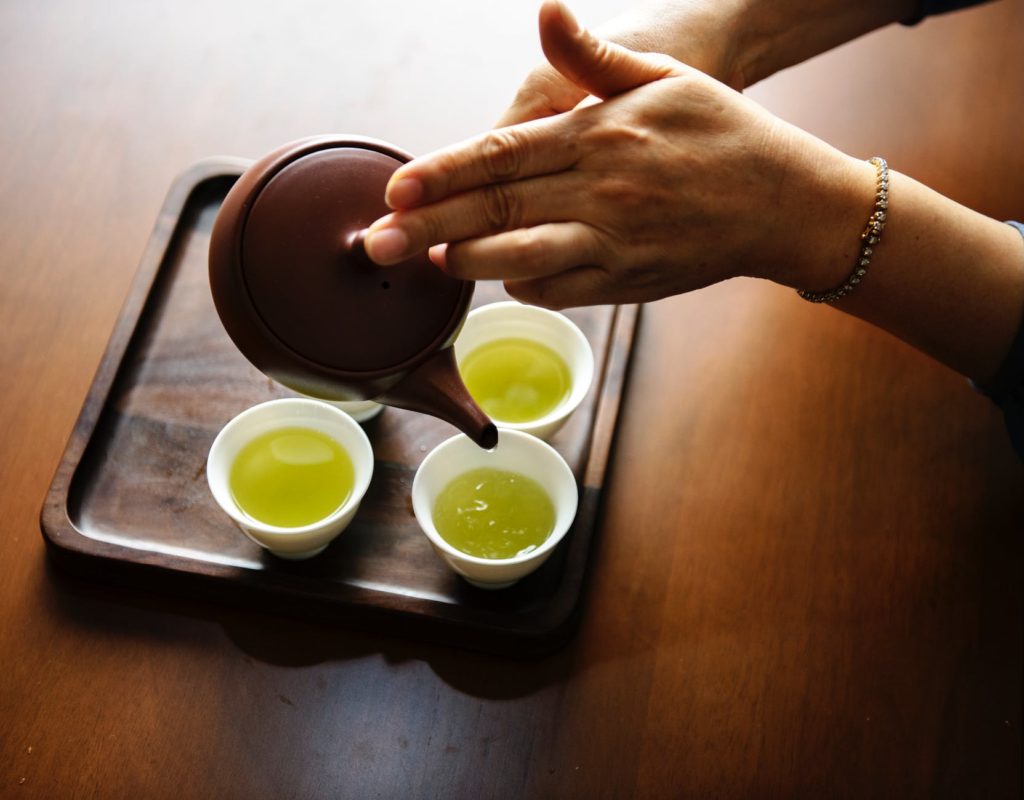
Tea rituals around the world
Whether it's food, clothing, architecture, or anything else, you'll always find small cultural differences. So how does tea play out in Japan, China, and England?
Japan
Tea spread from China to Japan too, and it was met with huge enthusiasm there. The traditional Japanese tea ceremony is called Cha-no-yu, and it's a considerably more formal affair, with people using special teaware and utensils. It's still practiced today. At its core, the ceremony is about contemplation, reflecting on life, the art of appreciating and savoring the moment and the setting, and finding a sense of balance. In Japan, the most popular tea by far is green tea, matcha in particular.
China
China is often called the birthplace of tea. People there love it, and it's one of the most popular drinks around. The Chinese tea ritual is mostly about pure enjoyment. Tea is brewed in a small pot, steeped multiple times, then poured into small cups. Quality oolongs and pu-erh are the most commonly used.
England
Tea became popular in England a long time ago, eventually overtaking English beer as the national drink. To this day, the British remain among the world's biggest importers and consumers of tea. English people drink almost exclusively strong black tea, typically Darjeeling or Earl Grey, adding either cream or milk and sugar. For their tea time, whether at lunch or in the evening, they'll put together a light spread, usually biscuits or pastries. This ritual is actually where the term "tea cakes" comes from.
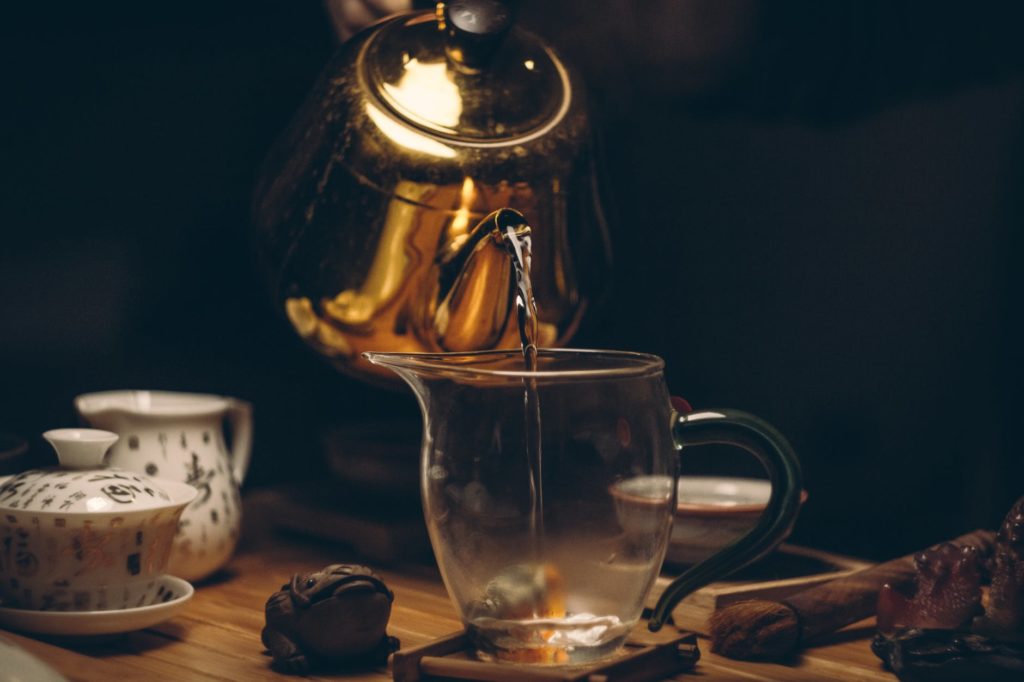
It doesn't matter whether you prefer a fruity, green, or black tea. And it doesn't matter how you brew it, either. Tea always does the same job - it lets you unwind, settle down, and maybe reflect on life, or anything else on your mind. So go ahead and let it.



 Kaloud
 KLIFIDES
 marvin smoke
 DARKSIDE